

The fastest route to independent fashion designers runs through three channels: curated marketplaces like Wolf & Badger and Not Just A Label, designer-direct websites, and targeted social discovery on Instagram and TikTok. If you want to shop right now, Room24’s dresses collection is a purchase-ready starting point for sustainable, design-led womenswear. For deeper research, the Sustainable Apparel Coalition and B Corp certification are the two industry benchmarks worth checking when a brand’s ethics claims need verification.
Independent clothing designers, often called indie or boutique designers in everyday conversation, sit outside the ownership structures of major fashion conglomerates. They control their own production, set their own sourcing standards, and answer directly to their customers. That independence is exactly what makes them worth seeking out.
Table of Contents
- Where can you discover independent fashion designers?
- What should you expect on price, timing, and delivery?
- Why independent designers matter more now than ever
- Key Takeaways
- What supporting independent designers actually means
- Room24: sustainable womenswear you can shop today
- Useful sources and platforms to explore next
Where can you discover independent fashion designers?
Discovery is the first real challenge. Unlike mainstream retail, indie labels rarely have national ad budgets or department-store shelf space. The channels below each solve a different part of that problem.
| Channel | Best for | Typical price band | Watch out for |
|---|---|---|---|
| Curated marketplaces (Wolf & Badger, Not Just A Label) | Fast browsing across many labels | $60 and up | Less production detail per brand |
| Designer-direct websites | Deep research, full sourcing transparency | Varies widely | Longer shipping lead times |
| Social platforms (Instagram, TikTok) | Discovering emerging brands before they’re mainstream | $60 and up | No buyer protection on DMs |
| Editorial platforms (Vogue features, Who What Wear) | Credibility-checked picks with storytelling context | $60 and up | Fewer shoppable links |
| Local boutiques and pop-ups | Trying pieces before buying, supporting local makers | $60–$400 | Limited inventory, one-off stock |
Vogue’s editorial profiles remain one of the strongest discovery routes for global independent designers, precisely because the storytelling context helps shoppers understand the work before they spend. Curated marketplaces accelerate that browsing, but they prioritize breadth over depth; a designer’s own site almost always tells you more about materials and production.
On social platforms, the most productive searches combine hashtags like #slowfashion, #independentdesigner, and #sustainablestyle with location tags when you want regional makers. Younger shoppers, Gen Z in particular, have made indie-brand roundups and short-form video a primary discovery tool, which means TikTok’s algorithm now surfaces emerging fashion brands faster than most editorial calendars can keep up with.
Pro Tip: Search “independent designer” plus a fabric type (e.g., “independent designer linen dress”) on Instagram’s Reels tab. You’ll surface makers who are actively selling, not just posting lookbook content.
What should you expect on price, timing, and delivery?
Independent womenswear spans a wider price range than most shoppers expect, and the variation is almost always explained by three factors: materials, handwork, and batch size.
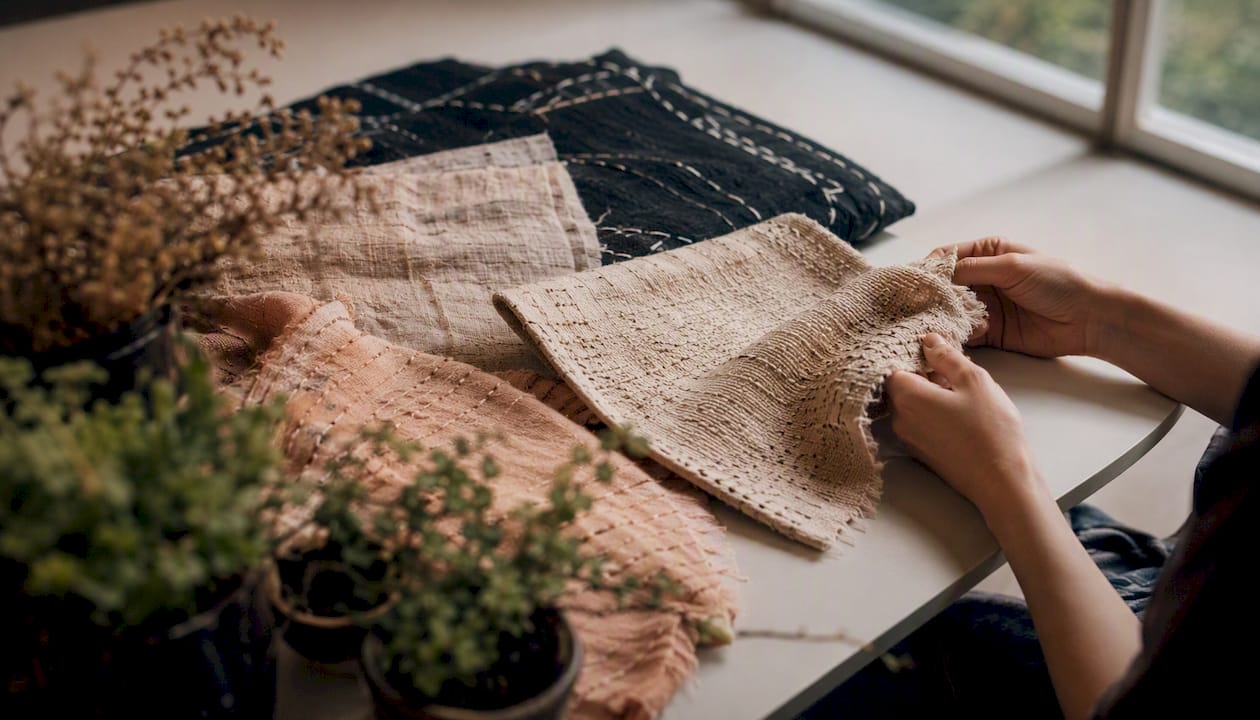
Entry-level indie pieces ($60–$150) are typically produced in slightly larger runs, use quality but commercially available fabrics, and ship from existing stock. Think well-constructed basics, printed tees, and simple jersey dresses from designers who are building volume.
Mid-range boutique pieces ($150–$400) often involve natural or certified sustainable fibers, more complex construction, and smaller runs. Lead times here can stretch to two to four weeks if the item is made to order. This is the sweet spot for most shoppers who want something genuinely different without paying luxury prices.
Limited-run and luxury indie pieces ($400 and up) frequently involve hand-finishing, artisan partnerships, or regionally specific textiles. Studios like Kanga Kabisa root their production in local craft traditions, and Vanessa Aegirsdóttir Co. operates as a woman-led, ethically sourced label with limited runs as a core part of its identity. At this tier, lead times of two to eight weeks are normal, and returns are often final sale.
A few practical steps that prevent surprises:
- Order event pieces at least six weeks out if the brand produces to order.
- Ask about restock cadence before buying a sold-out size. Many indie labels restock quarterly or not at all.
- For international orders, check whether duties and taxes are included in the listed price. Many US-based shoppers ordering from European indie labels pay customs fees at delivery.
- Consolidate orders when possible. Shipping costs on small indie orders add up fast if you’re buying one piece at a time from multiple labels.
Returns policies vary more in indie fashion than anywhere else in retail. Some designers accept returns within 14 days; others offer exchange-only or store credit. Read the policy before you buy, not after the package arrives.
Why independent designers matter more now than ever
The shift toward indie and boutique fashion designers isn’t a niche trend. Research published in PMC identifies consumer demand for sustainable materials and thoughtful design as a primary driver behind the recent surge in independent fashion. Shoppers are actively moving away from the volume-first model that defines fast fashion, and independent designers are the direct beneficiaries.
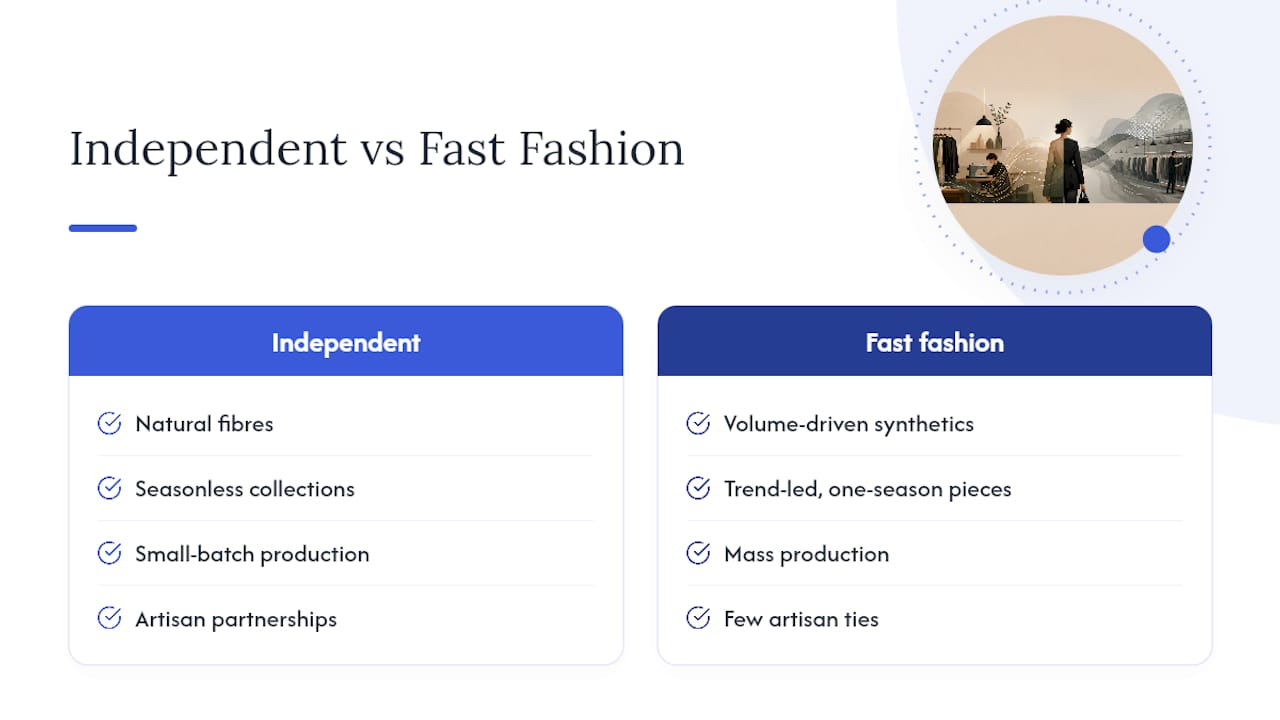
What that looks like in practice: independent designers increasingly emphasize natural fibers, seasonless collections, small-batch production, and artisan partnerships as deliberate alternatives to the disposable-fashion cycle. A seasonless silhouette designed to wear across multiple years is a fundamentally different product proposition than a trend piece built for one season.
Room24 publishes editorial content on women’s roles in sustainable fashion and circular design principles, both of which reflect the same values driving the broader indie design movement. Circular design, specifically, addresses the seasonless question directly: pieces designed to be repaired, restyled, and worn for years rather than discarded after one season.
The luxury fashion ownership landscape also helps explain why independence matters as a signal. Many labels that appear independent are owned by large conglomerates. Checking ownership structure is worth a few minutes of research when a brand’s “independent” positioning is part of its marketing.
Key Takeaways
Independent fashion designers are best discovered through curated marketplaces, designer-direct sites, and social platforms, then evaluated against a clear checklist of materials, production transparency, and trust signals before purchase.
| Point | Details |
|---|---|
| Start with curated channels | Wolf & Badger and Not Just A Label let you browse many indie labels quickly before going deeper on a designer’s own site. |
| Check the trust signals | Fiber content, country of manufacture, size measurements, and a clear returns policy are non-negotiable before buying. |
| Plan for lead times | Made-to-order indie pieces can take two to eight weeks; order event pieces at least six weeks ahead. |
| Use editorial profiles | Vogue features and editorial roundups provide credibility context that helps justify higher price points for small-batch work. |
| Shop Room24 now | Room24’s dresses collection offers sustainable, design-led womenswear with clear product pages and transparent sourcing. |
What supporting independent designers actually means
The conventional advice here is to “just buy from small brands.” That’s true, but it undersells what’s actually happening when you choose an indie label over a conglomerate-owned one.
When you buy from an independent designer, you’re funding the next collection directly. There’s no parent company absorbing the margin, no trend committee deciding what gets made. The designer finds out what works because you bought it, and they make more of it. That feedback loop is fast and unfiltered in a way that simply doesn’t exist at scale.
The sustainability angle is real, but it’s also frequently overstated in marketing copy. Not every indie label is ethical, and not every sustainable certification means what shoppers assume it does. The mindful production standards that actually matter are the ones a brand can explain specifically: which factory, which fiber, which certifying body. Vague language about “conscious production” without specifics is a marketing claim, not a supply chain commitment.
Beyond purchasing, the most effective ways to support emerging fashion brands cost nothing: leave a review with photos, share a product on social media with the designer tagged, and give honest feedback when a fit doesn’t work. Designers at this scale read their own messages. A detailed note about why a piece didn’t fit helps them improve the next run in ways that aggregate sales data never could.
Room24: sustainable womenswear you can shop today
Room24 was built around the same principles this article covers: sustainable materials, considered production, and design-led pieces that don’t follow a single-season trend cycle. The product pages show fiber content, fit details, and sizing measurements. The returns policy is clearly stated. These aren’t extras; they’re the baseline shoppers should expect from any indie label worth buying from.
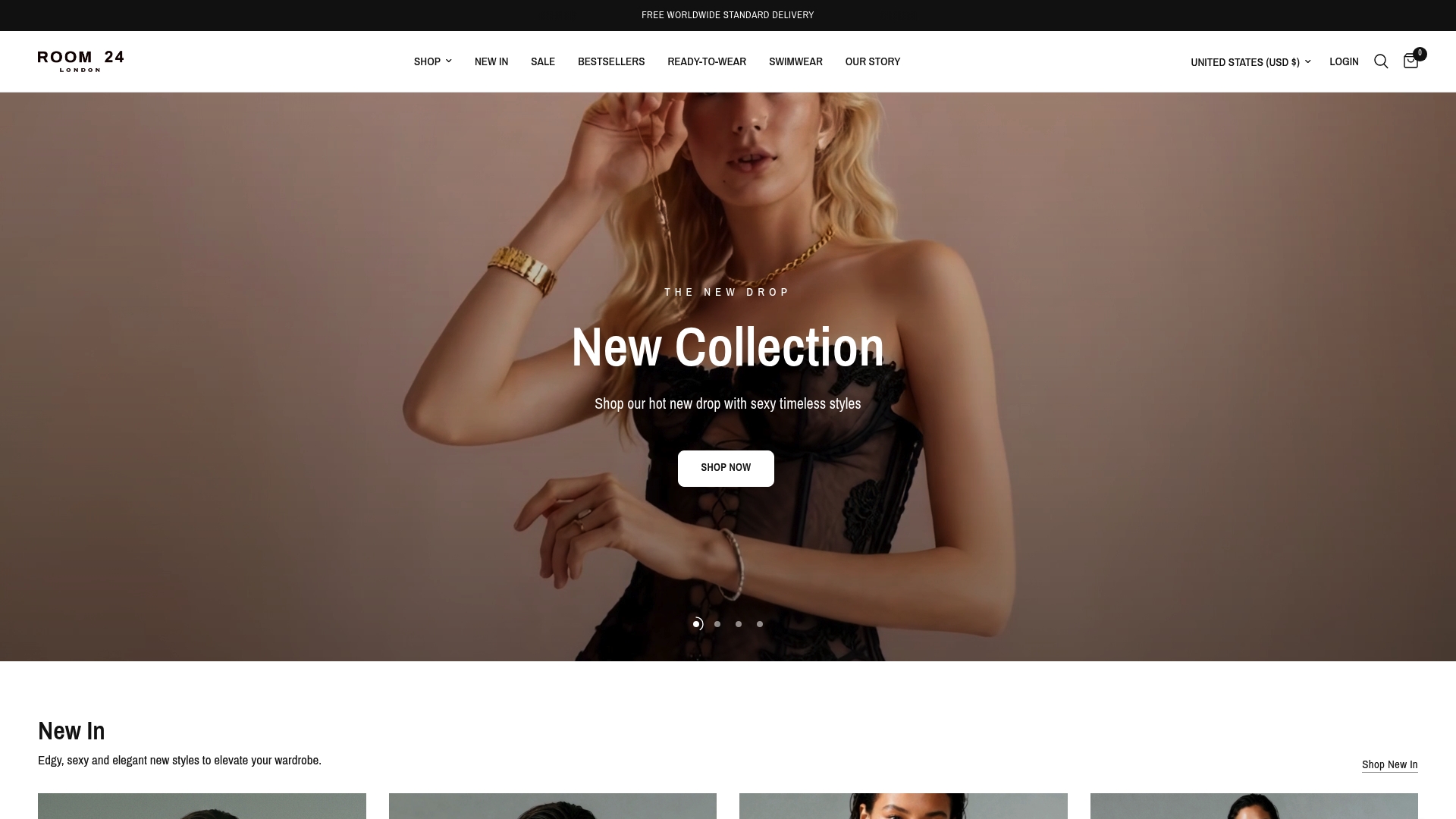
The collection focuses on womenswear with signature cut-outs, sculpting fits, and pieces that move between occasions without needing a full wardrobe refresh. Limited runs keep production intentional. If you’ve read this far and want to skip the research phase, Room24’s bodywear and bodysuits are a strong starting point for statement pieces that hold up across seasons. Browse the full collection at room24.co.uk and find something made to last.
Useful sources and platforms to explore next
A short list of places worth bookmarking, organized by what they’re actually good for:
- PMC article
- 9 Independent Fashion Designers to Watch
- Meet the New Generation of Global Independent Designers
- I’m a Gen Z Who Loves Shopping Small—12 Indie Brands I’m Keeping Up With In 2025
- Kanga Kabisa Design — Kanga Kabisa
- Vanessa Aegirsdottir Co — Vanessa Aegirsdóttir


