


Over 60 percent of global leaders in sustainable fashion are women, yet American innovators are often at the center of redefining what sustainability means for the industry. As expectations for ethical practices continue to rise, women are transforming supply chains, influencing policy, and setting new benchmarks for responsible manufacturing. This article reveals how women are shaping a more transparent and resilient future for fashion while overcoming unique challenges within a rapidly changing American and international landscape.
Table of Contents
- Women’s Role Defined in Sustainability
- Women Designers Leading Sustainable Brands
- Women Driving Ethical Consumer Demand
- Women Advocating Legal And Policy Change
- Challenges And Risks Women Face
- Innovations And Future Directions
Key Takeaways
| Point | Details |
|---|---|
| Women as Change Agents | Women are critical to driving sustainability in fashion by challenging traditional practices and introducing innovative strategies. |
| Holistic Approach | Their strategies prioritize social impact, worker welfare, and ecological considerations, integrating sustainability as a core value. |
| Empowerment through Advocacy | Women are advocating for policy changes that promote transparency and accountability in the fashion industry. |
| Collective Action | By networking and collaborating, women enhance their impact and challenge the perception that sustainability compromises style or quality. |
Women’s Role Defined in Sustainability
Sustainability represents more than an environmental movement - it’s a transformative approach where women are emerging as critical change agents. Across global fashion industries, women are reshaping production, consumption, and ethical standards through strategic leadership and innovative thinking.
Women are driving sustainability forward by challenging traditional manufacturing paradigms and introducing groundbreaking strategies. Their unique perspectives prioritize holistic approaches that consider social impact, worker welfare, and ecological consequences. By integrating systemic thinking, women are reimagining supply chains, demanding transparency, and creating accountability mechanisms that fundamentally disrupt unsustainable practices.
The contributions span multiple dimensions. Entrepreneurial women are launching eco-conscious brands, developing circular economy models, and creating regenerative business frameworks. Academic researchers are conducting critical studies on environmental impact, while policymakers are crafting regulations that incentivize sustainable practices. Women are not just participants but architects of meaningful change - designing solutions that balance economic viability with environmental stewardship.
Through collaborative networks and knowledge sharing, women are amplifying sustainability efforts across industries. They leverage collective intelligence, challenge existing systems, and demonstrate that environmental responsibility can coexist with economic success. Their approach goes beyond compliance, embedding sustainability as a core strategic value.
Here’s a summary of how women impact sustainable fashion across key areas:
| Area of Impact | Example Contribution | Notable Figures |
|---|---|---|
| Entrepreneurial Leadership | Launching eco-conscious brands | Stella McCartney |
| Supply Chain Innovation | Implementing circular economy models | Priya Ahluwalia |
| Policy and Advocacy | Shaping new regulations and standards | Orsola de Castro |
| Consumer Education | Promoting conscious purchasing | Gabriela Hearst |
| Material Science | Developing biodegradable textiles | Caroline Zimbalist |
Pro Sustainability Strategy Tip: Build your sustainable fashion network by connecting with like-minded professionals through industry conferences, online platforms, and local entrepreneurship groups to accelerate collective impact and knowledge exchange.
Women Designers Leading Sustainable Brands
The sustainable fashion movement has been dramatically reshaped by visionary women designers who are challenging traditional industry norms. Stella McCartney stands at the forefront of this revolution, pioneering a revolutionary approach that proves luxury fashion can be both ethically produced and environmentally responsible.
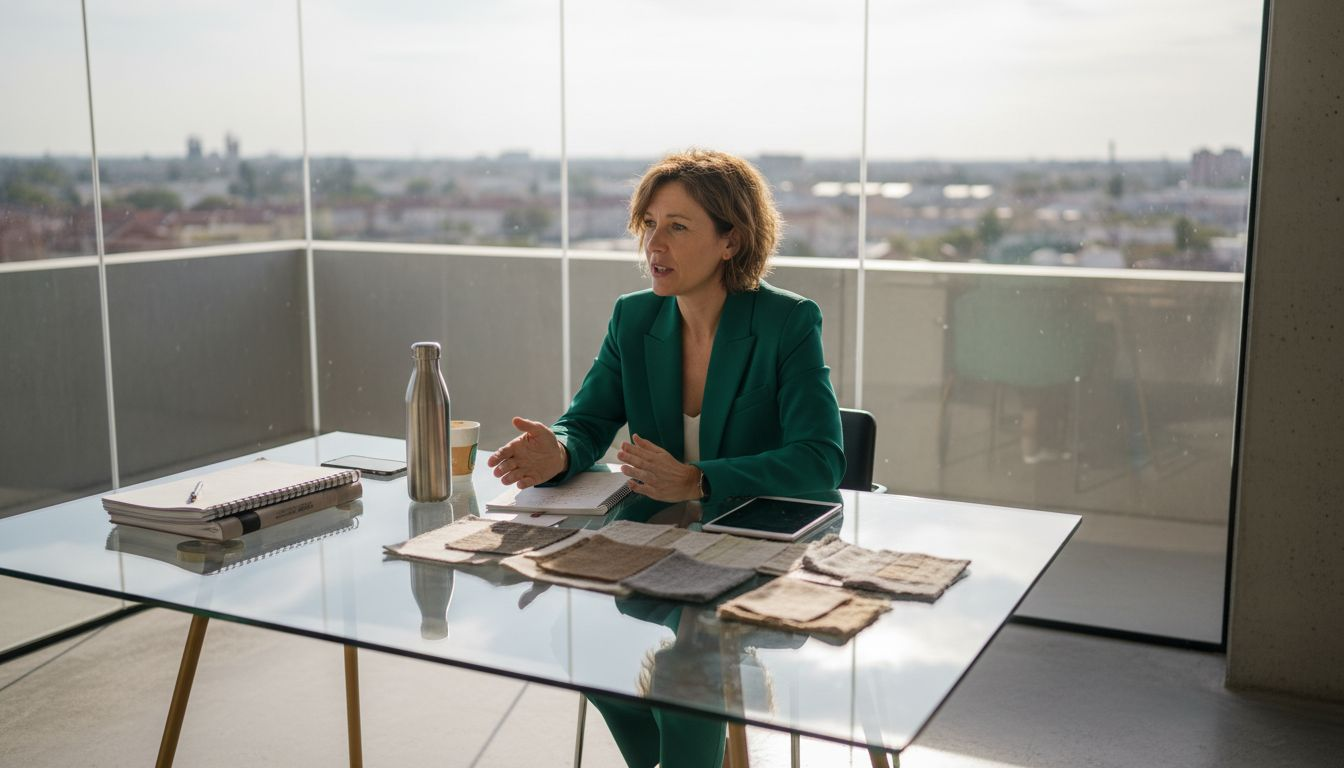
These innovative designers are reimagining fashion production through creative and conscientious strategies. Priya Ahluwalia exemplifies this trend, developing groundbreaking techniques in upcycling that transform discarded materials into stunning, sustainable fashion pieces. Her brand represents a new generation of designers who view environmental constraints not as limitations, but as opportunities for radical creativity.
Women designers are implementing comprehensive sustainability strategies that extend far beyond material selection. They are reconstructing entire supply chains, prioritizing worker welfare, reducing carbon footprints, and creating transparent production models. By integrating circular economy principles, they are challenging the traditional linear fashion model of produce, consume, and discard.
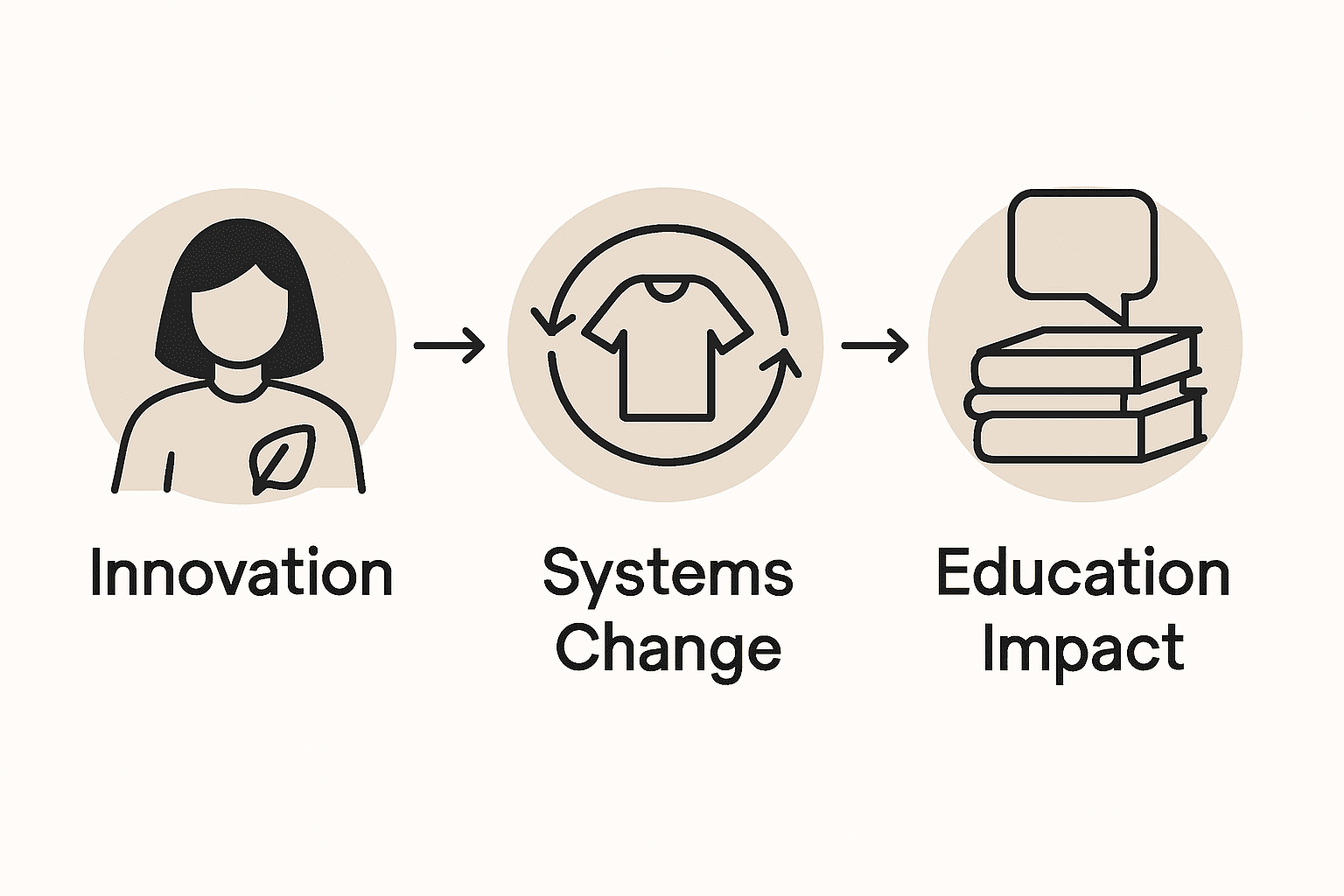
Moreover, these designers are using their platforms to educate consumers about sustainable fashion choices. They are not just creating clothing but building movements that encourage mindful consumption, ethical production, and environmental stewardship. Their work demonstrates that fashion can be a powerful tool for social and ecological transformation.
Pro Design Strategy Tip: Research and collaborate with local sustainable textile producers to develop unique, environmentally friendly fabric collections that set your design work apart from traditional fashion approaches.
Women Driving Ethical Consumer Demand
Women are revolutionizing consumer behavior by reshaping purchasing decisions through conscious and strategic engagement with sustainable fashion. Comprehensive guides from leading fashion publications highlight the growing movement of consumers who prioritize environmental and social responsibility in their clothing choices.
The transformation extends beyond simple purchasing - women are actively demanding transparency, ethical production, and environmental accountability from fashion brands. Designers like Gabriela Hearst are establishing new paradigms where sustainability is not a marketing strategy, but a fundamental business approach. By leveraging social media, community networks, and educational platforms, women are creating powerful consumer movements that challenge traditional fashion industry practices.
Through strategic consumer education, women are dismantling the perception that sustainable fashion compromises style or quality. They are proving that ethical choices can be simultaneously fashionable, functional, and environmentally responsible. This approach involves critical analysis of supply chains, material sourcing, labor practices, and overall environmental impact, transforming consumer awareness from passive consumption to active advocacy.
Moreover, women are using their economic power to drive systemic change. By supporting brands that align with their values, they are creating economic incentives for businesses to adopt more sustainable practices. Their collective purchasing power is reshaping market dynamics, forcing industries to reconsider traditional production models and prioritize ethical considerations.
Pro Consumer Strategy Tip: Develop a personal sustainability scorecard to evaluate fashion brands, focusing on transparent production, fair labor practices, and environmental impact to make more informed purchasing decisions.
Women Advocating Legal And Policy Change
Orsola de Castro represents a powerful example of women transforming the fashion landscape through strategic activism and policy engagement. As co-founder of Fashion Revolution, she has been instrumental in creating systemic change by challenging legislative frameworks that traditionally overlooked environmental and ethical considerations in fashion production.
Women are leveraging multiple strategies to drive legal and policy transformations. They are systematically identifying gaps in existing regulations, building comprehensive research frameworks, and presenting evidence-based recommendations to policymakers. These efforts include pushing for mandatory supply chain transparency, implementing stricter environmental standards, and creating legal mechanisms that hold fashion brands accountable for their ecological and social impact.
Stella McCartney’s advocacy exemplifies how influential women are using their platforms to reshape industry standards. By consistently challenging traditional production models and demonstrating alternative approaches, women are proving that sustainable practices can be economically viable and legally enforceable. Their work involves creating coalitions, developing comprehensive policy proposals, and engaging directly with legislative bodies to draft more progressive fashion industry regulations.
Moreover, these women are internationalizing their advocacy, recognizing that sustainable fashion requires global cooperation. They are building cross-border networks, sharing best practices, and creating collaborative platforms that transcend national boundaries. By connecting grassroots movements with high-level policy discussions, they are creating a comprehensive approach to transforming fashion industry standards.
Pro Advocacy Strategy Tip: Build strategic relationships with local policymakers, academic researchers, and industry stakeholders to create a multi-dimensional approach to driving sustainable fashion policy change.
Challenges And Risks Women Face
Systemic barriers continue to challenge women in sustainable fashion, creating complex obstacles that require strategic navigation and resilience. Innovative designers like Caroline Zimbalist demonstrate how women must constantly innovate to overcome traditional industry limitations, developing groundbreaking materials that challenge conventional production methods.
Financial constraints represent a significant hurdle for women entrepreneurs in sustainable fashion. Securing investment, accessing capital, and competing with established brands demand extraordinary persistence and strategic networking. Designers such as Bethany Williams exemplify how women must build comprehensive strategies that integrate social impact, ethical manufacturing, and economic viability to survive in a competitive marketplace.
Professional credibility remains another critical challenge. Women in sustainable fashion frequently encounter skepticism about their technical expertise, technological innovations, and business acumen. They must consistently prove their capabilities by developing rigorous research, presenting data-driven solutions, and challenging traditional industry paradigms. This requires not just professional skill, but emotional resilience and unwavering commitment to transforming systemic industry practices.
Moreover, women face intersectional challenges related to gender, race, and economic background. Sustainable fashion entrepreneurship demands navigating complex social dynamics, overcoming unconscious biases, and creating inclusive spaces that amplify diverse perspectives. Success requires building supportive networks, developing mentorship programs, and creating collaborative ecosystems that empower emerging talent.
Below is a comparison of common challenges women face in sustainable fashion and corresponding resilience strategies:
| Challenge | Description | Resilience Strategy |
|---|---|---|
| Access to Funding | Difficulty obtaining investment capital | Network with investors and mentors |
| Professional Credibility | Facing skepticism about expertise | Showcase data-driven achievements |
| Industry Barriers | Navigating traditional bias and exclusion | Build collaborative support groups |
| Intersectional Disadvantages | Gender, race, economic background hurdles | Participate in inclusive networks |
Pro Resilience Strategy Tip: Develop a personal support network of mentors, peers, and professional allies who can provide strategic guidance, emotional support, and collaborative opportunities in your sustainable fashion journey.
Innovations And Future Directions
Regenerative technologies are transforming sustainable fashion through groundbreaking material innovations and systemic approaches. Stella McCartney’s pioneering work with regenerative wool systems demonstrates how designers are reimagining agricultural practices to create fashion that actively restores environmental ecosystems.
Emergent material science is pushing boundaries beyond traditional sustainable practices. Designers like Caroline Zimbalist are developing biodegradable materials using unexpected sources such as seaweed, representing a radical shift from petroleum-based synthetic fabrics. These innovations challenge conventional production methods by creating materials that can seamlessly return to natural cycles without environmental degradation.
Technological integration represents another critical frontier in sustainable fashion. Advanced tracking systems, blockchain technologies, and artificial intelligence are enabling unprecedented transparency in supply chains. These tools allow consumers to trace product origins, verify ethical manufacturing processes, and make informed purchasing decisions. The future of sustainable fashion lies in creating comprehensive ecosystems that connect technological innovation, environmental stewardship, and consumer empowerment.
Moreover, the future of sustainable fashion transcends product design - it encompasses holistic systems thinking. Designers are developing circular economy models that reimagine waste as a resource, creating closed-loop production systems that minimize environmental impact. This approach requires collaboration across disciplines, integrating insights from environmental science, engineering, social policy, and design innovation.
Pro Innovation Strategy Tip: Continuously educate yourself about emerging sustainable technologies and materials by attending industry conferences, following research publications, and participating in cross-disciplinary workshops that explore cutting-edge fashion innovation.
Empower Your Style with Sexy and Sustainable Fashion
The article highlights how women are leading critical change in sustainable fashion by overcoming industry challenges and driving ethical innovation. If you value fashion that balances environmental stewardship with bold design you understand the importance of supporting brands that share your vision. At Room24 we specialize in creating sexy and sustainable apparel that merges eco-conscious materials with empowering style—helping you embrace a wardrobe that reflects your commitment to the planet and yourself.
Explore our collection today to experience what true sustainable fashion feels like. By choosing Room24 you support a brand dedicated to transparency, ethical production, and innovative design inspired by the same spirit of female leadership shaping the future of fashion. Don’t wait to transform your closet and join a community of like-minded women driving bold change—visit Room24 official site now to start your sustainable style journey.
Frequently Asked Questions
What is the role of women in sustainable fashion?
Women play a critical role in sustainable fashion by driving change as entrepreneurs, innovators, educators, and advocates. They are reshaping production standards, challenging traditional supply chains, and promoting ethical practices.
How are women influencing consumer demand for sustainable fashion?
Women are revolutionizing consumer behavior by prioritizing ethical production and environmental accountability in their purchasing decisions. Through education and advocacy, they encourage mindful consumption and transparency from brands.
What challenges do women face in the sustainable fashion industry?
Women encounter systemic barriers such as limited access to funding, professional credibility challenges, and intersectional disadvantages related to gender and race. Overcoming these obstacles often requires strategic networking and support.
What innovations are women implementing in sustainable fashion?
Women are implementing innovations like circular economy models, biodegradable materials, and advanced tracking technologies to enhance sustainability. Their forward-thinking approaches focus on creating eco-friendly designs and transparent supply chains.


