


TL;DR:
- Plus size silk underwear is comfortable, durable, and best constructed with knit silk, a double-layer gusset, and a wide elastic waistband. The fabric choice, construction features, and accurate sizing are crucial for fit and longevity in extended sizes, with knit silk and silk-elastane blends preferred options. High-quality brands focus on reinforced seams, paneling, and proper care to ensure silk’s performance and sustainability for plus-size wearers.
Plus size silk underwear is widely available, genuinely comfortable, and built to last — provided you choose the right material and construction from the start. The single most important decision you will make is fabric type: knit silk (silk jersey) over woven satin, a double-layer gusset, and a wide elastic waistband. Get those three right and silk becomes one of the most comfortable everyday options for plus-size bodies.
Before you click buy, check these four things on the product page:
- Size range: Does it go to your size? Look for explicit measurements (hip, waist in inches), not just S/M/L/XL labels.
- Construction notes: Does the listing mention knit silk, reinforced seams, or a double-layer gusset? If it only says “silk satin,” keep scrolling.
- Care label: Machine-washable on delicate or handwash only? Know what you are signing up for.
- Return policy: Is there a try-on window? Hygienic return rules vary by retailer, so read the fine print before ordering.
Price is worth flagging upfront: 100% mulberry silk sits at a higher price point than silk blends or synthetic satins, but the breathability and longevity justify it for most shoppers. Blends cost less and often offer more stretch, which can be a practical trade-off for everyday wear.
Table of Contents
- What materials work best in plus size silk underwear?
- Design and construction features that make silk underwear actually work for plus sizes
- How to measure yourself and pick the right size online
- Which underwear styles work best for plus-size bodies?
- How to wash, dry, store, and repair silk underwear
- What does plus size silk underwear cost, and where do you buy it in the U.S.?
- Why modern silk construction actually works for plus sizes
- Key Takeaways
- Why size inclusivity and sustainable fabric go together
- Room24 brings sustainable design to size-conscious shoppers
- Useful sources and what to check on product pages
What materials work best in plus size silk underwear?
The label “silk” covers a wider range of fabrics than most shoppers realize, and the differences matter a lot once you are buying for a plus-size fit.
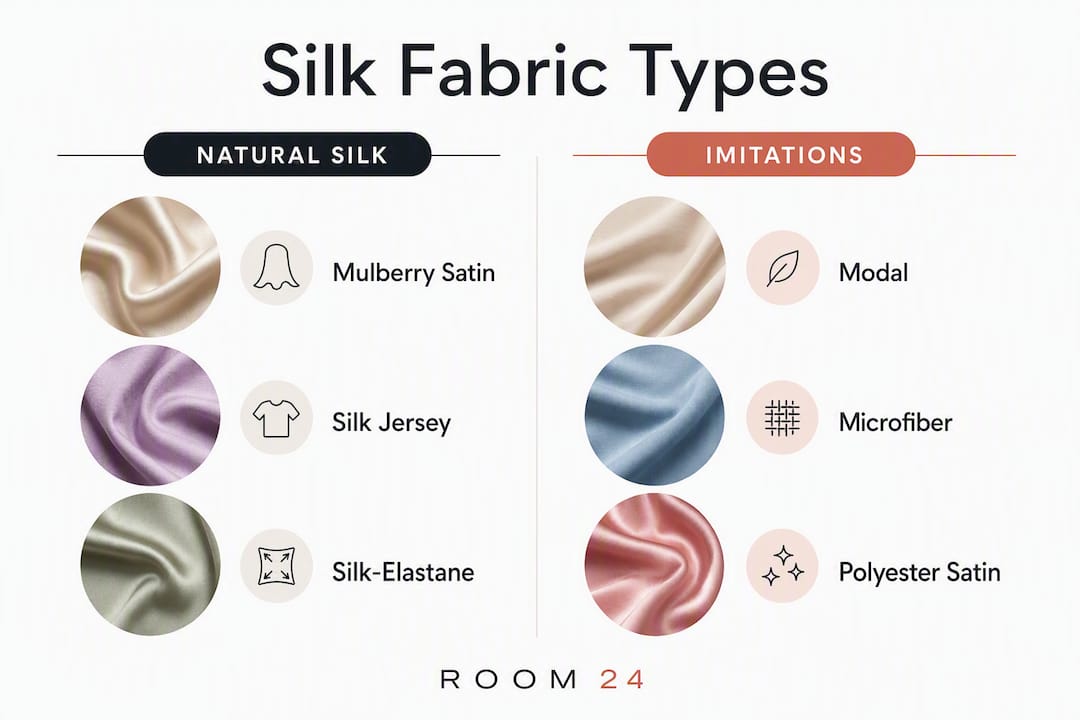
100% mulberry silk (woven satin) is the prestige option — smooth, temperature-regulating, and naturally breathable. The problem for plus-size wear is that woven satin has almost no stretch. At high-stress seams (side seams, leg openings, gusset), that rigidity translates to tearing risk. Manufacturer guidance comparing knit silk versus woven satin confirms that woven silk satin is less elastic and more prone to seam failure in larger garments. It works beautifully in lower-stress silhouettes — a slip, a camisole — but it is not the best choice for everyday briefs in extended sizes.
Knit silk / silk jersey is the better everyday pick. The knit construction gives the fabric natural stretch and recovery, which means seams flex with your body rather than fighting it. A mulberry silk knit body with reinforced elastic seams is the construction standard you want to see on a product page.
Silk blends with elastane split the difference: you get silk’s feel and breathability with added stretch from a small percentage of spandex or elastane. These tend to be more affordable and wash more forgivingly than 100% silk.
Modal and microfiber (“ice silk”) are not silk at all, despite the marketing language. Modal is a semi-synthetic fiber from beech wood pulp — soft and breathable, but a different product. “Ice silk” is typically polyester microfiber engineered to feel cool. Both are fine fabrics, but if you are paying for silk, check that the fiber content label says Bombyx mori or mulberry silk.
Polyester satin is the most common imposter. It mimics silk’s sheen but traps heat, pills faster, and offers none of silk’s natural moisture-wicking properties.
| Material | Stretch | Breathability | Durability | Care |
|---|---|---|---|---|
| Knit mulberry silk | High | Excellent | High (with care) | Handwash or delicate cycle |
| Woven mulberry silk satin | Low | Excellent | Moderate (seam risk) | Handwash only |
| Silk/elastane blend | High | Very good | High | Delicate cycle |
| Modal | Medium | Good | High | Machine wash |
| Polyester satin | Low–medium | Poor | Moderate | Machine wash |
| Microfiber / “ice silk” | Medium | Moderate | Moderate | Machine wash |
For plus-size everyday wear, knit mulberry silk or a silk/elastane blend are the two options worth prioritizing. Woven satin is best reserved for occasional wear or lower-stress silhouettes.
Design and construction features that make silk underwear actually work for plus sizes
Fabric choice gets you halfway there. Construction gets you the rest of the way.
The gusset
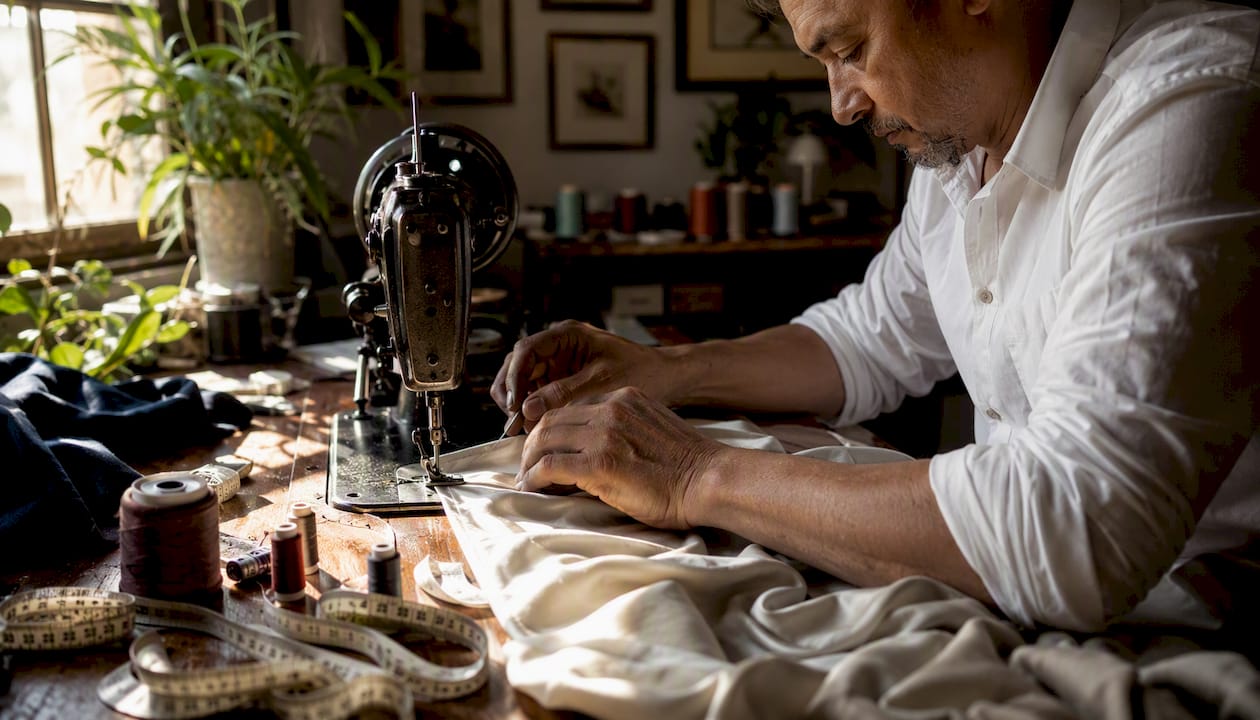
A double-layer gusset is the single most important structural feature in plus-size silk underwear. The gusset takes the most friction and stress of any panel in the garment. A single-layer silk gusset will wear through faster than the rest of the piece. A double-layered version adds abrasion resistance, leverages silk’s natural moisture-wicking, and extends the garment’s life considerably. When you are reading a product page, look for explicit language: “double-layer gusset,” “reinforced gusset,” or “two-ply gusset.”
Seam construction
Side seams and leg openings are the next stress points. In a knit-body garment, reinforced elastic seam tape prevents the seam from stretching out of shape over time. In woven pieces, flat-felled seams (where the seam allowance is folded and stitched down) reduce bulk and fraying. A product page that mentions seam reinforcement is signaling that the brand has thought about extended sizing — one that only shows lifestyle photos probably has not.
Waistband design
Wide, high-elasticity lace waistbands or fabric waistbands with multiple rows of elastic distribute pressure across a larger surface area. Narrow elastic bands cut in and roll down, which is uncomfortable and also damages the silk over time. Look for waistbands described as “high-density,” “wide lace,” or “multi-row elastic.” The Harper Cashmere mid-rise design, for example, uses a high-density floral lace waistband specifically for secure positioning in extended sizes.
Paneling
Paneled construction (where the garment is cut from multiple pieces rather than a single front-and-back panel) allows the designer to place stretch where the body needs it most — across the hip and seat — while keeping the waistband stable. A single-panel brief in a larger size will pull and gap; a paneled one follows the body’s curves.
The architectural principle behind plus-size silk design: wider elastics, reinforced seam tape, and strategic paneling preserve silk’s luxury feel while adding the structural support that extended sizes require. The material itself does not change — the engineering around it does.
Pro Tip: When reviewing product photos, look for close-up shots of the waistband edge and gusset area. Stitch density and edge finishing are visible in macro photography. A brand confident in its construction will show these details; one relying on lifestyle shots alone may be hiding shortcuts.
How to measure yourself and pick the right size online
Sizing in plus-size lingerie is inconsistent across brands, and silk’s fit is less forgiving of a wrong size than stretch cotton. Taking your own measurements takes three minutes and removes most of the guesswork.
Step 1: Measure your waist. Wrap a soft tape measure around your natural waist (the narrowest point, usually an inch or two above your navel). Keep the tape snug but not tight. Write down the number in inches.
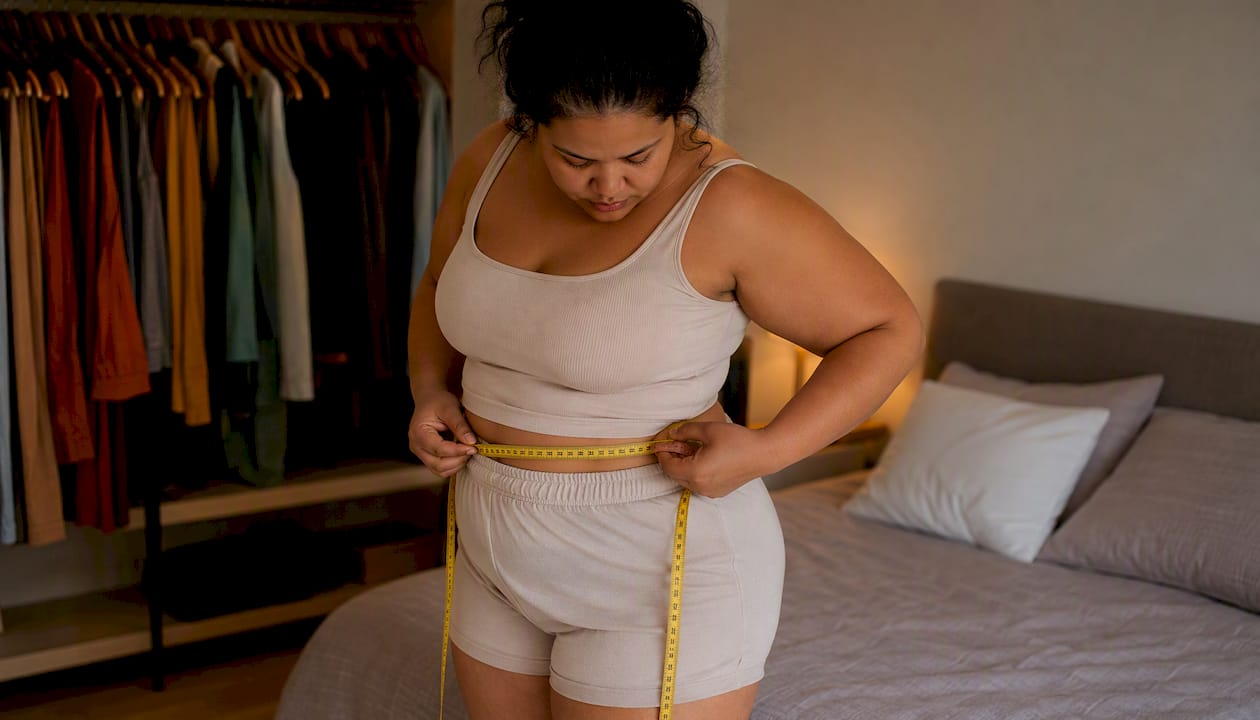
Step 2: Measure your high hip. This is about 3–4 inches below your waist, across the widest part of your hip bones. This measurement matters most for hipsters and mid-rise styles.
Step 3: Measure your full hip. Wrap the tape around the fullest part of your seat, typically 7–9 inches below your waist. This is the critical measurement for briefs and boyshorts.
Step 4: Compare to the brand’s size chart. Always use the brand’s own chart, not a generic one. Most plus-size brands publish charts in inches. If the chart only shows hip measurements, use your full hip. If it shows both waist and hip, check both — you may need to size up to accommodate your hip even if your waist fits a smaller size.
Here is a generic reference table to help you map measurements to common plus-size labels:
These are approximate ranges. Always defer to the specific brand’s size chart.
Returns checklist before you buy:
- Does the retailer offer free returns or exchanges?
- Is there a try-on window (typically 30 days)?
- What are the hygienic return rules? Most retailers require underwear to be unworn with tags attached.
- Who pays for return shipping? Some brands cover it; others deduct it from your refund.
- Is there an exchange option, or only a refund?
Pro Tip: When a brand’s fit notes are sparse or customer reviews are thin, order two adjacent sizes and return the one that fits worse. The cost of return shipping is usually less than the frustration of a garment that does not fit.
Which underwear styles work best for plus-size bodies?
Style choice is personal, but construction and coverage vary enough between cuts that it is worth knowing what each one actually does for your body.
Full-coverage brief
The workhorse of the category. A full-coverage brief sits at or just below the natural waist, covers the full seat, and offers the most fabric contact with the body. In silk, that means more of that temperature-regulating, moisture-wicking surface area doing its job. This style suits most body shapes and is the most forgiving of slight sizing variations.
High-rise brief
Similar coverage to a full brief but with a higher waistband that sits above the natural waist. The extended front panel provides tummy coverage and smoothing without compression. In silk, the high-rise works particularly well under fitted dresses and skirts because the smooth fabric eliminates visible lines. Look for a waistband with multiple rows of elastic so the rise stays put rather than rolling down.
Boyshort
The boyshort offers the most thigh coverage of any brief style, which makes it the most comfortable option when thighs touch. Silk’s low-friction surface reduces chafing significantly compared to cotton or synthetic fabrics. The trade-off is that boyshorts need more stretch in the leg opening to avoid binding — knit silk or a silk/elastane blend is non-negotiable here.
Hipster
A mid-rise cut that sits on the hip rather than the waist. Less tummy coverage than a high-rise, but a lower profile under low-rise pants. Works well for fuller hips when the garment uses paneled construction to accommodate the hip-to-waist ratio.
Thong
Silk thongs exist and are genuinely comfortable for occasional wear — silk’s smooth surface is far less irritating than lace or synthetic fabrics. For everyday plus-size wear, though, a thong puts all the stress on a narrow gusset strip, which is where single-layer construction fails fastest. If you choose a silk thong, look specifically for reinforced gusset construction.
For layering under skirts or heavier fabrics, full-coverage briefs and high-rise styles in silk blends offer the best combination of smoothing and breathability. Pure mulberry silk is the better choice for special occasions; a silk/elastane blend handles daily wear more practically.
How to wash, dry, store, and repair silk underwear
Silk is not fragile — it is just specific. Follow the right routine and a well-made silk brief will outlast most cotton alternatives.
Weekly care routine:
- Fill a basin with cool water (under 86°F / 30°C) and add a small amount of a pH-neutral silk detergent such as The Laundress Delicate Wash or Eucalan.
- Submerge the garment and gently agitate for 2–3 minutes. Do not scrub or twist.
- Rinse thoroughly in cool water until no detergent remains.
- Press (do not wring) excess water out by rolling the garment in a clean dry towel.
- Lay flat on a drying rack away from direct sunlight and heat sources. Never hang silk to dry — the weight of wet fabric stretches the fibers.
If machine washing: use a mesh laundry bag, the delicate or hand-wash cycle, cold water, and a silk-safe detergent. Skip the spin cycle or use the lowest spin setting available.
What to avoid:
- Hot water (above 86°F) weakens silk protein fibers permanently
- Bleach or enzyme-based detergents (they break down silk’s sericin coating)
- Tumble dryers, even on low heat
- Wringing or twisting wet silk
- Ironing directly on silk without a pressing cloth
Quick repairs: A loose seam or stretched elastic does not mean the garment is finished. A hand stitch with a fine needle and silk thread can resecure a seam in minutes. For elastic failure at the waistband, a tailor can replace the elastic without touching the silk body — worth doing on a piece you paid well for.
Storage: Store silk underwear in a breathable cotton or linen bag, not a plastic zip bag. Plastic traps moisture and accelerates yellowing. Keep pieces away from direct sunlight and cedar balls, which can transfer oils to the fabric over time.
What does plus size silk underwear cost, and where do you buy it in the U.S.?
100% mulberry silk underwear sits at a higher price point than most everyday intimates, and that gap reflects real differences in fiber quality, construction, and longevity. Silk blends and silk-feel synthetics cost less but trade off breathability and lifespan. Knowing what you are paying for helps you decide where on that spectrum makes sense for your wardrobe.
Price reality check: For 100% mulberry silk briefs in plus sizes, expect to pay more than you would for premium cotton. Silk/elastane blends offer a middle ground. Polyester satin is the cheapest option but delivers the least in terms of comfort and durability.
Where to shop in the U.S.:
- Brand-direct: Buying directly from a brand’s own website gives you access to the most complete size charts, construction notes, and return policies. It is also where you are most likely to find explicit fabric certifications and care information.
- Specialty plus-size boutiques: These retailers curate specifically for extended sizes and often carry brands that do not appear on general marketplaces. Customer service tends to be more knowledgeable about fit.
- Ethical and sustainable brands: Brands that publish fabric origin, mill information, or OEKO-TEX certification are signaling material transparency. That transparency usually correlates with better construction standards overall.
- Curated marketplaces: Large platforms carry a wide range of options but require more careful filtering. Check that listings include fiber content, construction details, and a size chart with measurements — not just size labels.
Shopping checklist for any product page:
- Fiber content listed as a percentage (e.g., “95% mulberry silk, 5% elastane”)
- Construction notes (gusset type, seam reinforcement, waistband description)
- Size chart with measurements in inches
- Customer reviews that mention fit, specifically for plus sizes
- Clear return and exchange policy with timeline
- Shipping speed and whether expedited options are available
Delivery timeline: Most U.S. domestic orders from brand-direct or specialty retailers ship within 1–3 business days and arrive within 5–7 business days via standard shipping. Expedited options typically cut that to 2–3 days. Factor the delivery window into your returns timeline — if a retailer offers a 30-day return window, your effective try-on period starts from delivery, not order date.
Why modern silk construction actually works for plus sizes
The case for silk in plus-size underwear used to be harder to make. Early plus-size silk options were often just scaled-up versions of straight-size designs — the same woven satin, the same narrow elastic, the same single-layer gusset, just cut larger. Predictably, they failed at the seams.
What changed is the application of architectural garment design principles to extended sizing. Wider elastics distribute waistband pressure across a larger surface. Reinforced seam tape prevents the side seams from stretching out under repeated stress. Paneling places stretch fabric where the body’s curves demand it. And the shift from woven satin to knit silk construction gave the fabric the stretch and recovery it needed to perform at larger sizes without seam failure.
The key insight from manufacturer guidance: knit silk (silk jersey) naturally offers stretch and recovery that prevents seam stress in larger sizes. Woven silk satin lacks that elasticity and is more prone to failure at high-stress points — which is why the construction type matters as much as the fiber content.
When evaluating a product page, these are the proof points that signal a garment built for plus sizes rather than just sized up:
- Fabric type: knit silk or silk/elastane blend (not woven satin for everyday briefs)
- Gusset construction: double-layer, explicitly noted
- Waistband: wide, high-elasticity, multi-row elastic or high-density lace
- Stitch density: visible in close-up product photography
- Certifications: OEKO-TEX Standard 100 or equivalent confirms the fabric has been tested for harmful substances; mulberry silk origin notes confirm fiber quality
Brands that publish mill information or sustainability sourcing data are also signaling a level of supply-chain transparency that tends to correlate with better construction standards. It is not a guarantee, but it is a meaningful signal.
Key Takeaways
Plus size silk underwear is a practical, comfortable choice when you prioritize knit silk construction, a double-layer gusset, and a wide elastic waistband over woven satin and narrow elastic.
| Point | Details |
|---|---|
| Choose knit silk over woven satin | Knit silk stretches and recovers; woven satin tears at high-stress seams in plus sizes. |
| Double-layer gusset is non-negotiable | It adds abrasion resistance and moisture management where the garment takes the most wear. |
| Measure before you buy | Use full hip measurement against the brand’s own size chart, not generic size labels. |
| Care determines longevity | Cool water, pH-neutral detergent, and flat drying preserve silk’s structure and stretch. |
| Room24 for sustainable sizing | Room24’s size-conscious, sustainable collections offer construction-forward bodywear worth checking for inclusive fit. |
Why size inclusivity and sustainable fabric go together
The conventional wisdom in fashion has long treated plus-size design as an afterthought — scale up the pattern, use cheaper fabric, call it done. That approach fails in silk more visibly than in any other material, because silk’s properties (breathability, temperature regulation, natural moisture-wicking) are precisely what make it worth buying in the first place. A poorly constructed silk garment in a plus size does not just fit badly; it fails fast, which means the shopper pays more over time for a worse experience.
The brands getting this right are the ones treating construction as inseparable from inclusivity. A double-layer gusset, reinforced seam tape, and a wide elastic waistband are not luxury add-ons. They are the minimum engineering required to make silk perform at extended sizes. When a brand publishes those construction details on its product pages, it is signaling that it has actually thought about the customer wearing the garment, not just the customer buying it.
Sustainability and size inclusivity are connected in a less obvious way as well. Garments built to last — with quality fiber, reinforced construction, and proper care guidance — generate less waste than fast-fashion alternatives that wear out in a season. Choosing well-made silk underwear is, in a real sense, a more sustainable choice than cycling through cheaper options every few months.
Room24 brings sustainable design to size-conscious shoppers
If you have been reading this guide and thinking “I want a brand that actually thinks about construction and sustainability,” Room24 is worth a close look. The brand’s collections are built around the same principles this guide covers: sustainable materials, structured cuts, and design details that prioritize how a garment performs on the body rather than just how it photographs.
Room24’s bodywear collection shows how cut-outs, supportive seams, and sustainable fabric choices come together in pieces designed to fit and flatter. The loungewear range extends those principles into comfort-first pieces that work as best plus size sleepwear options for women who want luxury feel without sacrificing fit. And the swimwear collection demonstrates Room24’s approach to size-conscious construction at its most visible.
When you visit any Room24 product page, check the size range, read the construction notes, and look at the product photography for close-up detail shots. That is exactly the due diligence this guide recommends for any silk or luxury fabric purchase. Start at Room24.co.uk and filter by your size to see what is available in your range.
Useful sources and what to check on product pages
When you are evaluating any product page for plus size silk underwear, these are the signals worth looking for:
- Mulberry silk origin: Listed as “100% mulberry silk” or “Bombyx mori silk” in the fiber content. Generic “silk” without origin information is a weaker signal.
- OEKO-TEX Standard 100 certification: Confirms the fabric has been tested for harmful substances. Look for the certification number and institute on the product page or brand’s sustainability page.
- Explicit construction notes: Double-layer gusset, reinforced seams, wide elastic waistband. If these are not mentioned, ask the brand directly before buying.
- Size chart with measurements: Hip and waist measurements in inches, not just size labels. A chart that goes to 4X with actual measurements is a strong signal of genuine plus-size design intent.
- Customer reviews with fit notes: Look specifically for reviews from shoppers who mention their measurements or size range. Generic “love it!” reviews tell you nothing about fit.
- Clear return and exchange policy: Especially important for silk, where fit is less forgiving. Know the return window, hygienic return rules, and who covers return shipping before you order.
A note on marketplace listings: Large online marketplaces carry a wide range of silk underwear, but listing quality varies enormously. Listings that show only lifestyle photos, list fiber content as “silk-like” or “satin,” and provide no construction details are worth skipping regardless of price. The construction details that matter for plus-size fit are not expensive to publish — brands that omit them usually have a reason.
For authoritative reference on plus-size lingerie sizing and construction, the following product pages demonstrate what detailed, construction-forward listings look like in practice:
- Harper Cashmere Women’s Silk Panties Plus Size Mid-Rise Lace Waist — an example of explicit architectural construction notes for extended sizing
- Harper Cashmere Women’s 100% Mulberry Silk Mid-Rise Briefs — demonstrates double-layer gusset and material transparency on a product page
- Silk vs Microfiber vs Modal: A Manufacturer’s Insider Guide — manufacturer-level guidance on fabric performance differences


